Keep the dream of reading alive

Last night was World Book Night. Described on the official website as “a celebration of reading and books which sees tens of thousands of passionate volunteers gift specially chosen and printed books in their communities to share their love of reading,” it also happened to fall on the birth and death day of the Bard himself.

To honour the occasion a host of events were held across the country, among them the Southbank Centre’s annual soiree, hosted by Hardeep Singh Kohli and attended by a wealth of current literary greats including two of my favourite authors, JoJo Moyes and David Nichols, who read passages from this year’s list of books.

But this year’s World Book Night comes at a sad time for literature, at least of the printed variety. Worrying levels of literacy amongst the younger generation can in no small part be attributed to the advent of the digital age. Today children up and down the country prefer to spend evenings playing computer games rather than reading fiction. Even if their parents loved nothing more than curling up beside the fire with an Enid Blyton or Roald Dahl book when they themselves were children, it seems the art of reading for pleasure seems to be dying out – and not just where young people are concerned.

That’s why the idea of World Book Night is such a charming concept. Not only does it encourage people who have drifted away from reading back into the literary fold, it also reminds them of the joy of holding a book rather than just seeing it on a screen (don’t get me wrong, the e-reader has its place, but it’s no substitute for the real thing; the touch and smell of a brand new book are amongst life’s greatest pleasures). And even more than that, it helps people to get back in touch with their imagination – something that this hectic world can all too easily oppress.

Whether your bookshelves are lined with alphabetised classic novels or the whole Fifty Shades series, it’s likely reading has had a significant impact on your life, whether you realise it or not. The digital age is here to stay, and children who are born into it won’t know the joy of reading unless we teach them. It’s up to each and every one of us to keep the art of reading alive for generations to come.

I thought it would be appropriate to post a pic of what I’m currently reading – so here it is!

Want to be a columnist? Then read this.

It’s difficult to sit in a room with Guardian columnist and features writer Hadley Freeman, author of the soon to be published ‘Be Awesome,’ without feeling somewhat inferior. Hadley is, after all, what so many women – and men – of her generation aspire to be; a celebrated writer. But one thing Hadley is not is intimidating; in fact she’s both naturally funny and utterly charming, which makes it impossible to dislike her. Is there anything this American in London can’t do?

The event Hadley is speaking at is the Guardian Masterclass on column writing. She begins by telling the audience how she got into writing for a newspaper. Her “pushy Jewish mother” entered her in a competition whilst she was at university which, unbeknownst to her, she went on to win. Her mother duly collected her award and she was none the wiser, until an editor spotted her writing and approached her – and the rest, as they say, is history.

What would Hadley’s top tips be to succeed in column writing? Firstly, she says, write as widely as possible. Be funny if you can, and write for yourself rather than your audience. Don’t feel locked in by your voice; change it as appropriate, for example when writing about something outside of your comfort zone. Don’t feel pressure to always write news-reactive copy. Be careful how much of yourself you reveal to the reader. And, above all else, only write what you feel strongly about – if you don’t care then why should the reader?

After imparting her words of wisdom Hadley dashes off home (to write a feature, she tells us, somewhat appropriately). Replacing her at the front of the room is Michael Hodges, who writes for Time Out magazine. His advice to aspiring columnists is to be forceful and willing not only to be knocked back but also to write about things you don’t necessarily want to write about. He stresses the importance of being concise (“cut, cut, cut,” he says, “like sharpening a sword. It’s always better afterwards.”)

Michael’s style of journalism differs from Hadley’s, he says, because he waits for things to happen rather than seeking them out. He believes that “the weird is in the every day,” and that “there’s nothing more rewarding than observing your fellow human beings.” Ultimately, he says, it comes down to discipline. If you practice anything let it be producing clean copy that is well paced and holds the reader’s attention.

After the break Guardian columnist Marina Hyde takes to the stage. Marina has such presence that she wins over the audience immediately. Her chatty style, relaxed demeanour and her ability to laugh at herself make her approachable and real. She begins by warning the audience against using the word “I” – “know the rules before you break them,” she says, giving the example of Caitlin Moran as someone who has earned the right to use the word.

Comments, Marina says, should be largely ignored. And she agrees with Michael that being concise is vital: “If you can’t say what you want to say in 750 words you’re going wrong.” The best things she has written were completed in under an hour; the worst took three or more. “Sometimes I put the brakes on the word count and accept it’s a piece that has to go stillborn into the world,” she says, to laughs from the crowd.

Always be honest when you make a mistake, says Marina. And don’t assume that even if you put links in your stories people will know what you are referring to, because, she says, “It’s courtesy to explain.” Keep anger out of your writing because “it makes people switch off.” Be careful of your tone, and always try to get a joke in early to win over your audience. It’s also important to be able to write about a broad range of subjects, she says – and if anyone’s got that down to a fine art it’s Marina herself, writing three columns each week on completely different themes.

Marina closes with one final piece of advice: “Be someone people want to have a pint with.” Looking around the room it’s clear she’s easily achieved that goal.

The art of procrastination

If there’s one thing I’m brilliant at, it’s procrastinating. I can spend hours mooching around doing precious little (whilst convincing myself that the precious little I am doing is of the utmost importance) as the things I really should be doing languish at the bottom of my to do list, gathering metaphorical dust.

But now that I’ve decided Monday is, for the short term at least, to be my day of creative writing rather than commissioned freelance work, it’s more vital than ever that I rein in the part of me that is so very proficient in the art of procrastination and make every minute count. Because a day can pass incredibly quickly when you’re drifting through it, only half aware of what you’re doing.

Today I feel I have been conscious of all that I’ve been doing, though it’s only now as I sit down in my local café at half past midday I’m able to focus on my writing. I decided to start the day with a run around Clapham Common, to try and kick the sore throat that’s been plaguing me on and off for the past week into touch. On the way home I did my weekly shop and by 10.30am I was at my desk having showered and breakfasted, ready to tie up the loose ends on my last commissioned freelance job.

Now that’s done all that stands between now and 5pm is an afternoon of story and character plotting, and I can’t wait to get started on deciphering all the notes I’ve made in recent days as ideas have begun to take shape. So without further ado I must bid you adieu, for there’ll be no procrastination this afternoon, thank you! (It’s a good job I’m writing fiction and not poetry).

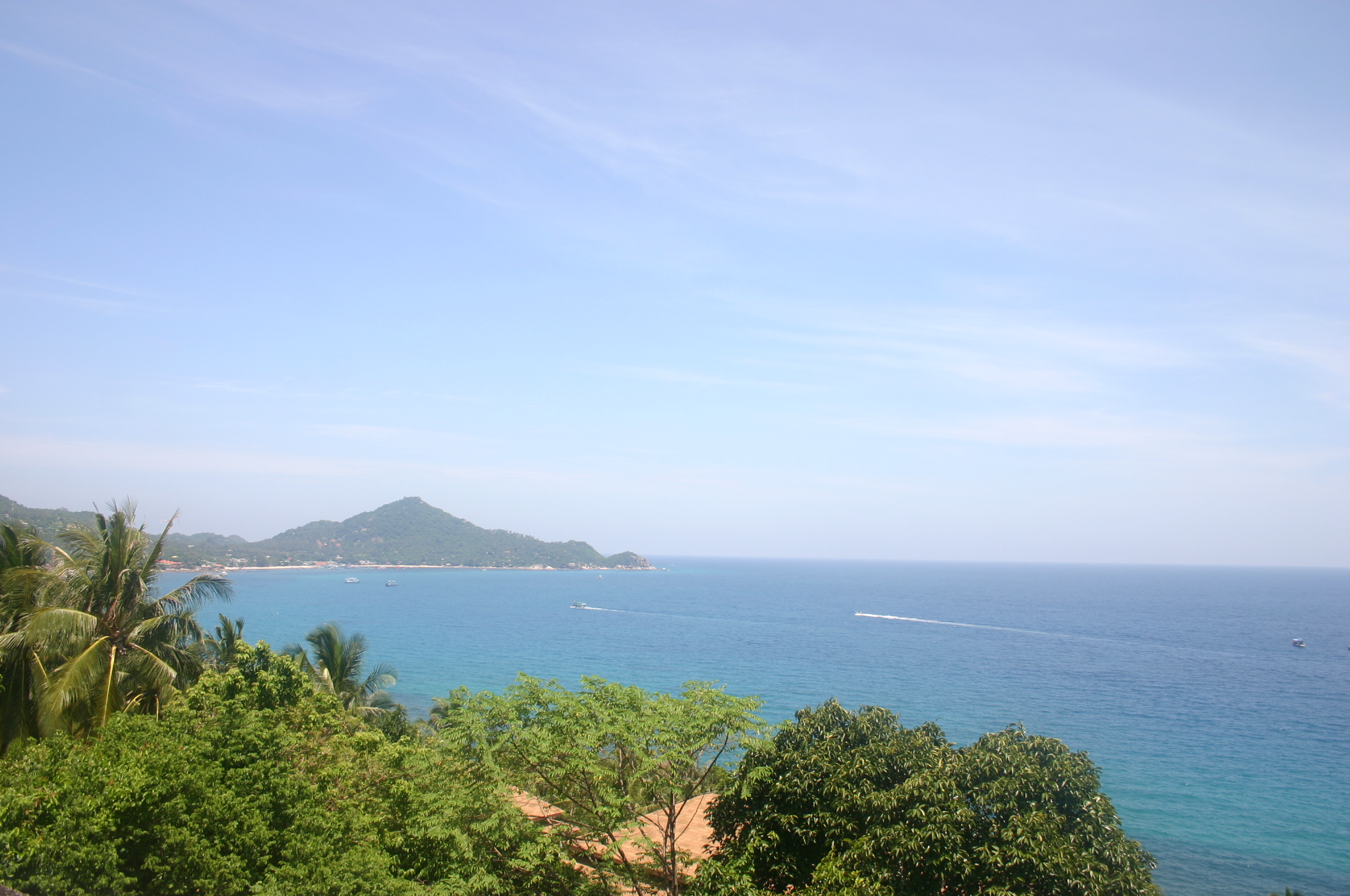
When I think of procrastination, I think of Koh Tao, for it was here I spent two weeks in blissful procrastination wondering whether to stay longer or continue further on my travels. Anyone who’s been there will know why I found it so hard to leave. Happy memories indeed.

Raw

Why do they say that the air is crisp, as if it were something that one could bite into, that one could touch? The air’s no crisper than the sun, though that at least would burn you to a crisp if you could get close enough to touch it.

It’s funny what thoughts pop into your mind, unbidden, after a traumatic life episode. Here I am, lacing up my boots – the ones with the dodgy soles that let the water in, which are really altogether pointless as it’s almost always wet outside – and instead of thinking about what’s happened I’m ruminating on the physical qualities of the air and the sun. I suppose this could be called a ‘coping mechanism,’ in which case I should probably be glad of it. Lord knows I’d rather think about the air and sun than all the other jumbled mass of thoughts and emotions that are swirling around in the background of my mind.

I call Betty and she tears into the room with her trademark boundless enthusiasm. Betty is a cocker spaniel. She’s brown with white splodges of various shapes and sizes that look as if someone’s used her as a canvas to try and recreate a Jackson Pollock painting. She’s named after the landlady at the bed and breakfast where we got engaged. With hindsight that’s ridiculous, but when we bought her we were sickeningly in love and blind to sense.

I’m walking down the road now, treading the path that’s been so well trodden over our ten year marriage. The tarmac’s hard and unforgiving beneath my feet. Betty’s straining at her lead; she may be an old girl but she’s got more life in her than I’ll ever have. But I won’t let her off the lead until we’re on the footpath. Can’t risk anything happening to her – she’s all I have now.

Charles Reginald Harper (prefers to be known as Reg).

Likes: Arguing (loudly), snoring (ditto), mustard on rare roast beef, red wine, cherry jam, walks in the country, art (except, ironically, Pollock) and obscure foreign literature.

Dislikes: People not agreeing with him (always), his wife (most of the time).

As we veer off the road onto the footpath – Betty scrambling over the muddy terrain as if her life depends on it – I run our last argument through my mind. It was over nothing, as always, something as inconsequential as him not having done the dishes. But then it wouldn’t have killed him to do them, would it? Once in the whole damn marriage?

But I digress. His not doing the dishes aside, all of those silly, petty arguments aside; he was a good husband. It’s funny how it takes something like this to make you realise the good things about a person, to see them in a light that has been dimmed for far too long.

Still. We walk on, Betty and I, through the fields of corn that sway in the light breeze like lovers clasped together in a slow dance. I remember then the dance of our wedding day, the way his hand rested on my waist, the reassuring weight of it.

Where did we go wrong? Somewhere along the journey of our lives together we took diverging paths. I’m not sure either of us knew it at the time, but by the time we did realise it was too late to go back; weeds and thorns had grown across the paths behind us.

When we return from our walk I unclip Betty’s lead and pour myself a scotch; his favourite drink. I sit in his favourite chair and look out across his favourite view. And then it hits me. A tidal wave of grief that I have hitherto suppressed rises up and catches in my throat, emerging as a roar of emotion. Or should that be a raw of emotion, because that’s all I now am – raw.

I don’t blame him for leaving, how can I?

I just wish I’d had the chance to say goodbye.

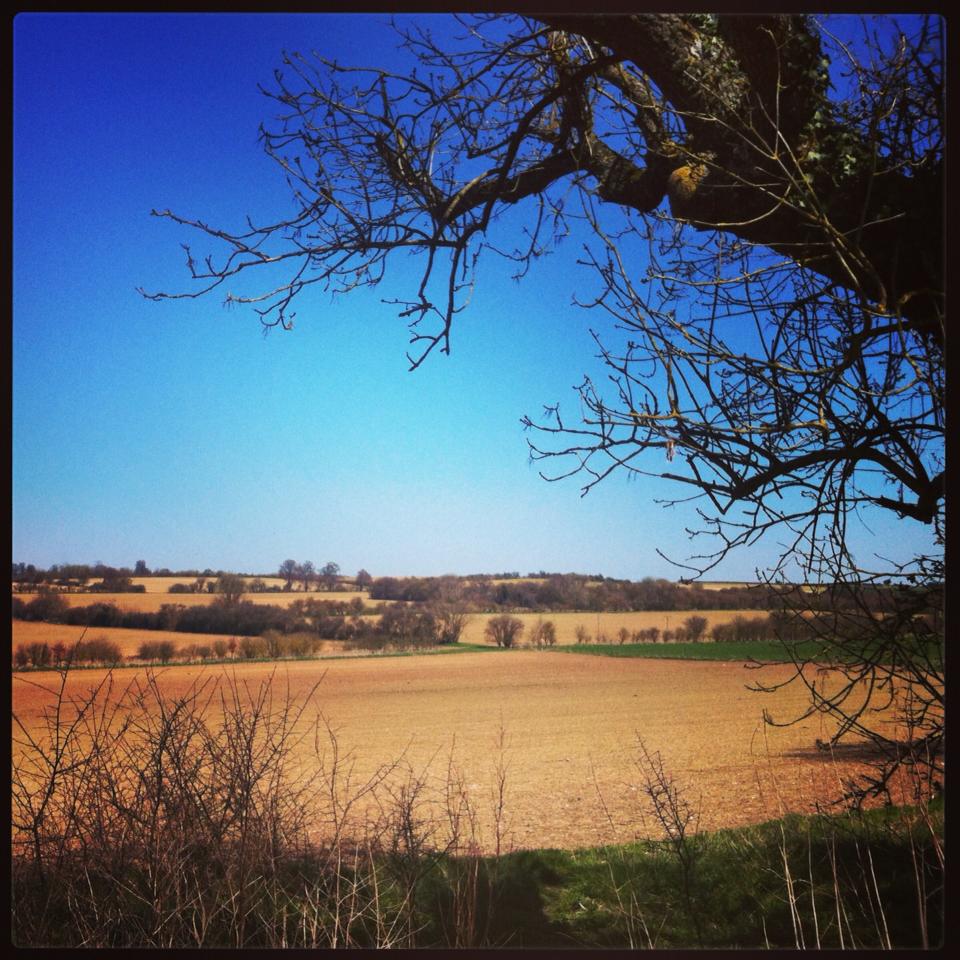
I took this picture yesterday in East Stratton, Hampshire. It was the inspiration for this story.

Escape to the country

This weekend I’ve opted out of London life, preferring instead to soak up the glorious sunshine in the sleepy Hampshire village of East Stratton. I’ll admit the weather’s been a stroke of luck; it wouldn’t have been quite as perfect if it had been grey and rainy, though still not that far off.

East Stratton is a picture postcard village, the kind of place the word idyllic was invented to describe. With beautifully restored thatched cottages, a village hall, church and quaint pub (where I’m staying tonight) opposite the village green it’s got pretty much everything a country village needs.

The pub is called the Northbrook Arms. As well as having all the trappings you’d expect from a country pub (including my particular weakness, a real fire) it has several guest bedrooms upstairs which are designed to a very high spec (think satin bed linen and mahogany furniture). It even has an old fashioned skittle alley located in one of the outbuildings, though I can’t say we’ve ventured in there yet (having been seduced by afternoon tea and a game of Scrabble sitting at the pub tables in the village green opposite).

In short, this place is the antithesis of the frenetic London lifestyle that we’ve come here to escape (albeit just for one night). It’s great to know that places like this exist right on our doorstep (East Stratton’s only an hour and a half’s drive out of London). I’ll definitely be reaping the rewards of this little break for some time to come.


Never too old

Aside

Never one to turn down a free ticket (or, let’s be honest, a free anything), last night I went along to a gig at Barfly in Camden. In truth I wasn’t particularly looking forward to it. Despite my dad having been a talent scout in the music industry when I was a teenager I’ve never considered myself to be part of the in-crowd where new and emerging artists were concerned. Whenever I went to a gig I’d stand at the back in my River Island jeans and H&M top, clutching a pint of cider and feeling beyond awkward as I watched all the hipsters in their drainpipe jeans and black-rimmed glasses bopping away at the front, collectively pouting as their directional hair valiantly fought the forces of gravity.

It wasn’t a conscious decision to stop attending gigs, more of a natural progression. So when I was offered a free ticket to last night’s event I was forced to re-examine my position. Was I really up for spending three hours standing in a dingy room above a pub, face-in-armpit with a bunch of hairy hipsters? Did I really want to re-live those awkward memories that had long since been buried? Surely now I was at an age where I knew what I liked and what I didn’t and this just happened to be something that I didn’t? Was it so wrong to admit that?

So, after considerable soul searching I went along to the gig. And it was dingy. And it was full of hipsters with directional hair, drainpipe jeans and black-rimmed glasses (has the trend not changed in a decade? Maybe I’m not so behind the times after all). But you know what? I had a fantastic night. The bands were brilliant, especially the last one, Slow Club, whose lead singer was just mesmerising. At the end she jumped into the crowd and sang a song standing directly in front of me. She didn’t have a microphone to amplify her voice but it didn’t matter as the crowd were so silent you could have heard a pin drop. It was quite, quite beautiful. And utterly inspirational – I even started formulating a character in my mind for my next story.

Afterwards we went downstairs for another drink (at 11pm on a school night – I really was pushing the boundaries!) and ended up dancing until midnight, casting off the restrictive shackles of ‘age’ (that I’ll admit I impose upon myself) and simply having some good old fashioned fun.

I learned something about myself – and life – last night. When you pigeonhole yourself because of silly things like age you close yourself off to new – and wonderful – experiences. And it’s only through new experiences that you can grow as a person (and, in my case, develop as a writer). Getting older doesn’t make us old, telling ourselves we’re too old to do things makes us old – so from now on I’m going to try and hold that in mind.

521619_10152733315880057_684364774_n

Credit where it’s due / Revolt of the monkey mind

I’m the sort of sensitive soul who spends a large part of her daily routine in mental flagellation. By this I mean I rarely focus on the things I’ve done well, preferring to (or defaulting to a state of putting) focus on the negatives. At the moment, for example, I’m repeatedly chastising myself for finding it hard to concentrate on a single task for any length of time.

Some years ago, during my first flirtation with the practice of meditation and its various literary companions, I remember coming across the term ‘monkey mind,’ which I felt at the time (as I do now) so perfectly encapsulated my own mind it could have been invented especially for me. People with monkey minds, like myself, are constantly jumping from one thought (or branch, sticking with the monkey metaphor) to another, barely pausing for breath before moving on to the next one.

I speak from experience when I say this is an exhausting way to exist, but despite numerous (albeit half-arsed) attempts to calm my monkey mind through meditation and other such interventions I’ve failed to ever truly conquer it. So you can imagine just how draining it is not only to be afflicted with a monkey mind but also a mind that tends to err on the negative side of just about everything – especially when it comes to acknowledging personal achievements.

So today despite the whisperings telling me I spent too long on this task, not long enough on that, or that I could have done things so much better than I did, I’ve decided to stick two fingers up at the negative monkey mind and recognise what I did well. Maybe I didspend too long procrastinating over my emails first thing, and maybe the wording of that email to those journalists wasn’t quite right, but you know what? I wrote some pretty punchy contributions to the Guardian’s live chat on pay by results funding which built some decent kudos for my charity and I created a kick ass spread sheet of media contacts. So there, stupid monkey, take that.

Whether you’ve a negative monkey mind like me or not, why not take a minute to think about the things that you did well today? I hope you feel a glow of satisfaction as you think about them – because you should. You deserve it.

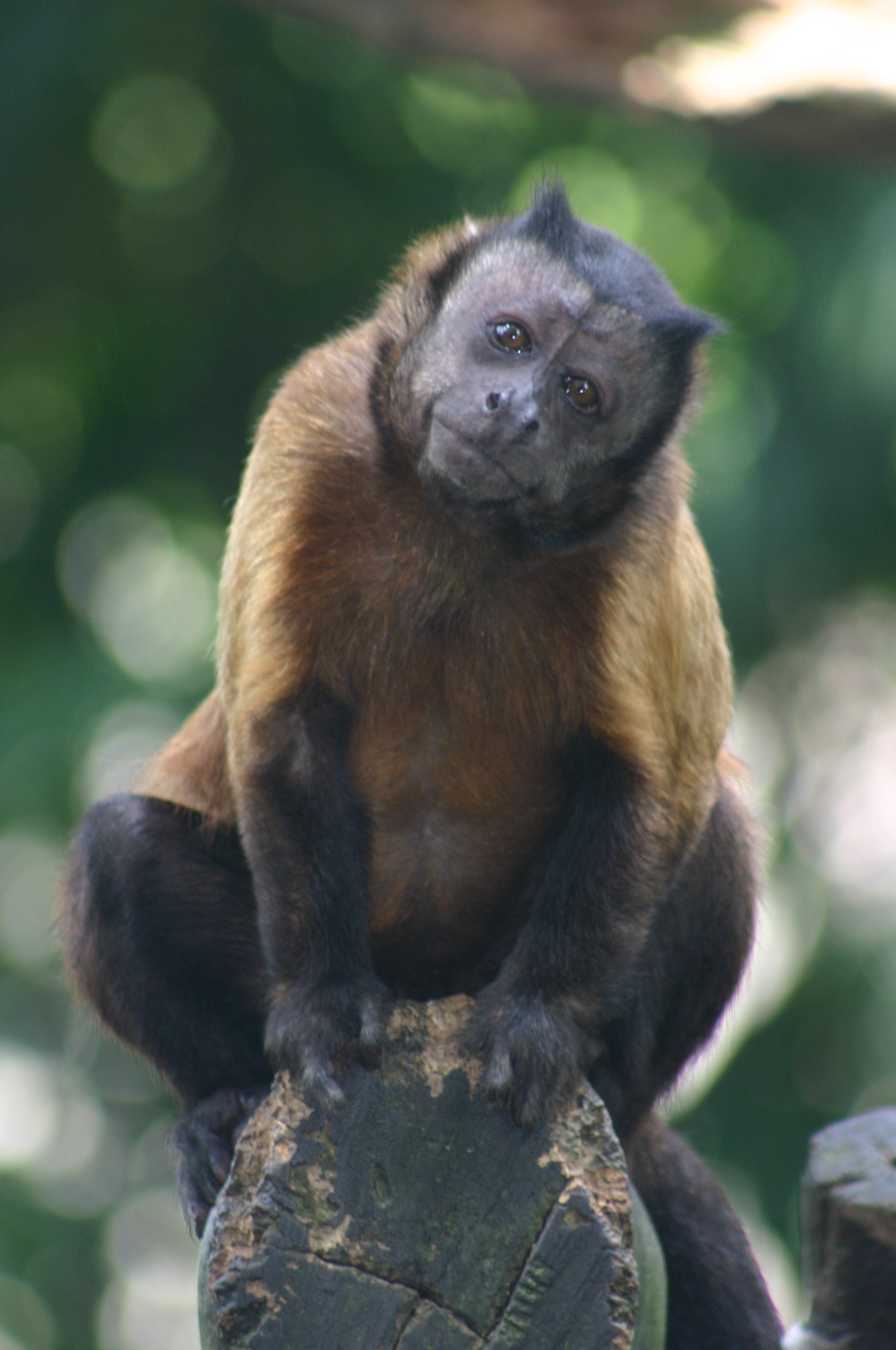
I’ve been dying to find an appropriate blog post for this picture to accompany, and finally the day has arrived. He took rather a shining to me at Singapore Zoo, even copying my movements so we drew quite a crowd!

The happiness quota

On the way home from work today I was ruminating on the idea of having a personal happiness quota. If such a thing exists I’ve already moved considerably further towards the top end of mine by changing jobs and taking the decision to reduce my working week to four days a week (even if it does mean less money coming in – though maybe best to reserve this particular declaration of happiness until after my first pay cheque’s cleared).

Another way I’ve increased my happiness rating over the past few years has been through incorporating competitive exercise into my routine (not that you’d know it if you’d been watching me over the past week, slovenliness having set in a little in the wake of my last race). And over the past couple of days I’ve managed to crank the score up further still by signing up to the Take Ten programme by Headspace, a daily ten minute guided meditation which already has me feeling more calm and in control of my life.

So, you may ask, if everything’s going so well what’s stopping me from hitting the top rung of the happiness ladder? I’ll tell you what: My commute. After months of travelling to work on the new extended overland train to Shoreditch I’d almost forgotten the trauma that is the Northern line in rush hour. Now I’m working in London Bridge, however, it’s proving unavoidable.

There’s are few things worse than spending the 20 minutes before reaching the office and the 20 minutes after leaving it face-in-armpit with a total stranger – especially now it’s nearing summertime when the airless tubes turn into human microwaves (readers of my old blog may remember the time a six foot four inch giant fainted ON TOP OF ME at the end of a packed tube carriage on the hottest day in summer – NEVER AGAIN).

If I’m to avoid a summer of discontent it’s becoming patently obvious I’m going to have to find an alternative way to cover the four odd miles from Clapham to London Bridge. And the obvious solution is to get on my bike and cycle there. Not only will it keep me fit (possibly negating the need for a new gym membership?), it will also save me considerable money on the cost of tube fare. So what’s stopping me from getting on and doing it? The fear of becoming a statistic after having an unfortunate collision with a lorry, that’s what. I know you shouldn’t live your life thinking ‘what if,’ but when it comes to road sense I’m woefully lacking – at nine years old I cycled round a roundabout the wrong way, nearly giving my parents a heart attack in the process.

All of which leaves me in quite the dilemma: Do I face my fear and cycle or face a summer of discontent on a smelly tube train? I think I know what you’re all saying: Get on your bike! Right? Right. Now where did I put that pump?

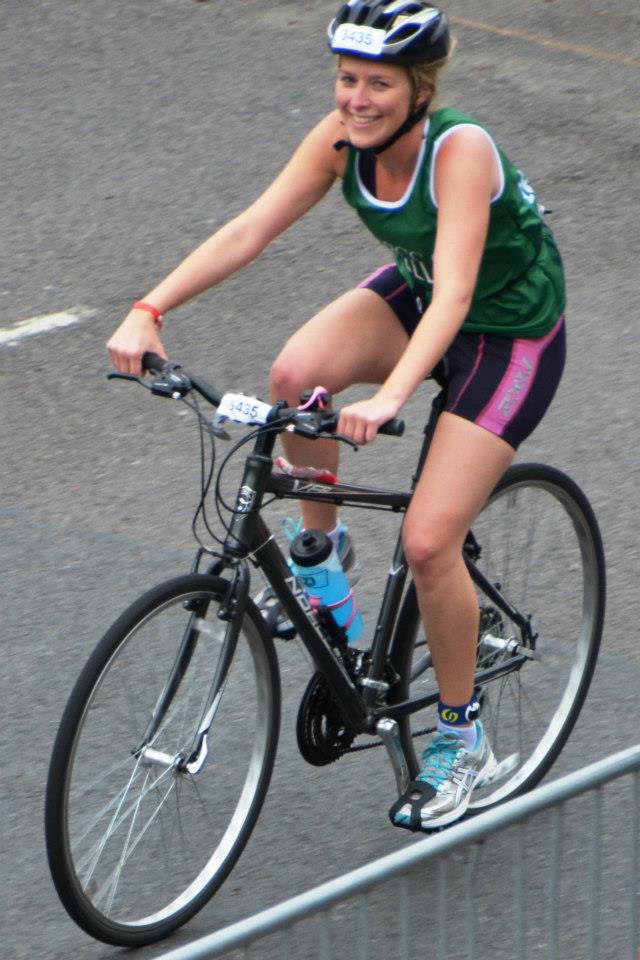
This was taken during my triathlon last September – incidentally (and shamefully) also the last time I did actually get on my bike…

Fight hate with love

Like many I was shocked and horrified to hear of the bombs that rocked yesterday’s Boston marathon, killing three – among them an 8 year old boy – and injuring many more. When I expressed my outrage at this latest tragic atrocity, however, I was shocked when someone challenged me to explain why it was any more tragic than the almost daily bombings in Iraq or Syria.

Ever since it was asked of me that question’s been playing on my mind in a loop – in much the same way as the video clip of the Boston marathon bombs going off has been played on every network since it happened. Did I feel more sad hearing about the marathon victims than when I heard news reports of innocent civilians being blown apart in Iraq? If so, what did that say about me? Was it possible some form of racism, classism or snobbery had crept into my consciousness without me even noticing its existence? Did I, in truth, value the lives of those people in Iraq less than the lives of the marathon spectators?

After a thorough period of introspection I’m pleased to say the answer to those questions was a resounding no. Whether they lost their lives in Boston or Iraq, I feel the same deep sense of sadness, the same feeling of shame that there are other human beings capable of such terrible acts of malice and hatred against their fellow men, women and children. The Boston bombings aren’t, therefore, more tragic; not at all. But, for those of us in the western world who are fortunate not to live in war torn countries, it is more shocking. Why? Because, quite simply, it’s far less common for a bomb to go off in the middle of a marathon taking place in an American city than it is on a normal day in an Iraqi city.

And there’s another reason. We see so many international news reports featuring the images of bloodied, limbless children’s corpses and wailing men and women beating their chests with grief that we are systematically desensitised to their effects. We’re used to death in Iraq and Syria. What we’re not used to is death in our own communities – or at least not the kind of death we witnessed yesterday in Boston.

No matter where terrorism strikes it sends shockwaves through not only the community whose beating heart it strikes, but also across the world. But whilst each time they strike the terrorists may think that they are winning the fight, what their hate-filled hearts will never comprehend is that through love for our fellow men it is we who will win the war.

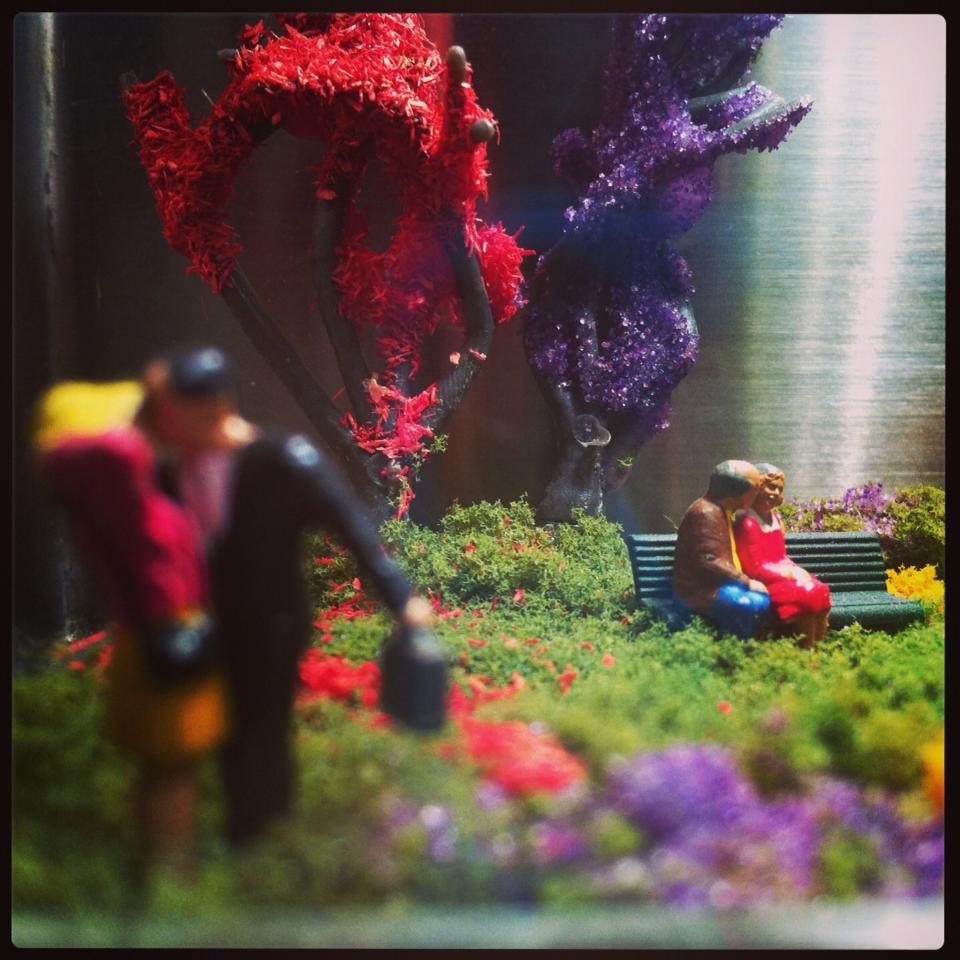
I fell completely head over heels with this, a tiny model scene in the wall of a toilet in a Manhattan restaurant. I think it’s quite appropriate given the end of today’s post.

Clarity

Today was my second ‘Freelance Monday,’ a description I’m already considering revising in favour of ‘Writing Monday’ as I’m rapidly coming to realise that freelancing comes at a cost; the cost being, well, writing (or at least writing what I actually want to write). For obvious reasons this is far from ideal.

To explain a little more eloquently, the purpose of my taking one day a week to write was twofold; one, to hone my writing skills, and two, to try and make money from my passion (try being the operative word, as I’m all too aware how hard it is to get regular paid writing work).

Thus far I’ve achieved neither, because whilst the freelance work I’m currently doing does involve writing and is paid, it’s not the kind of writing that I want to be doing and is paying far less than it should be given how much of my time it’s taking up.

I suppose I should try to look at the positive side of my current situation. In two short weeks I’ve already come to realise that writing anything for money just won’t do – I have to be emotionally invested in it, otherwise I may as well still be working five days a week for someone else.

Furthermore, I now know that when quoting for freelance work I need to be sure I can achieve the work in the time specified (and therefore within the agreed budget) – because otherwise I’m not only working for someone else, I’m also working for free. And that’s ridiculous in anyone’s book.

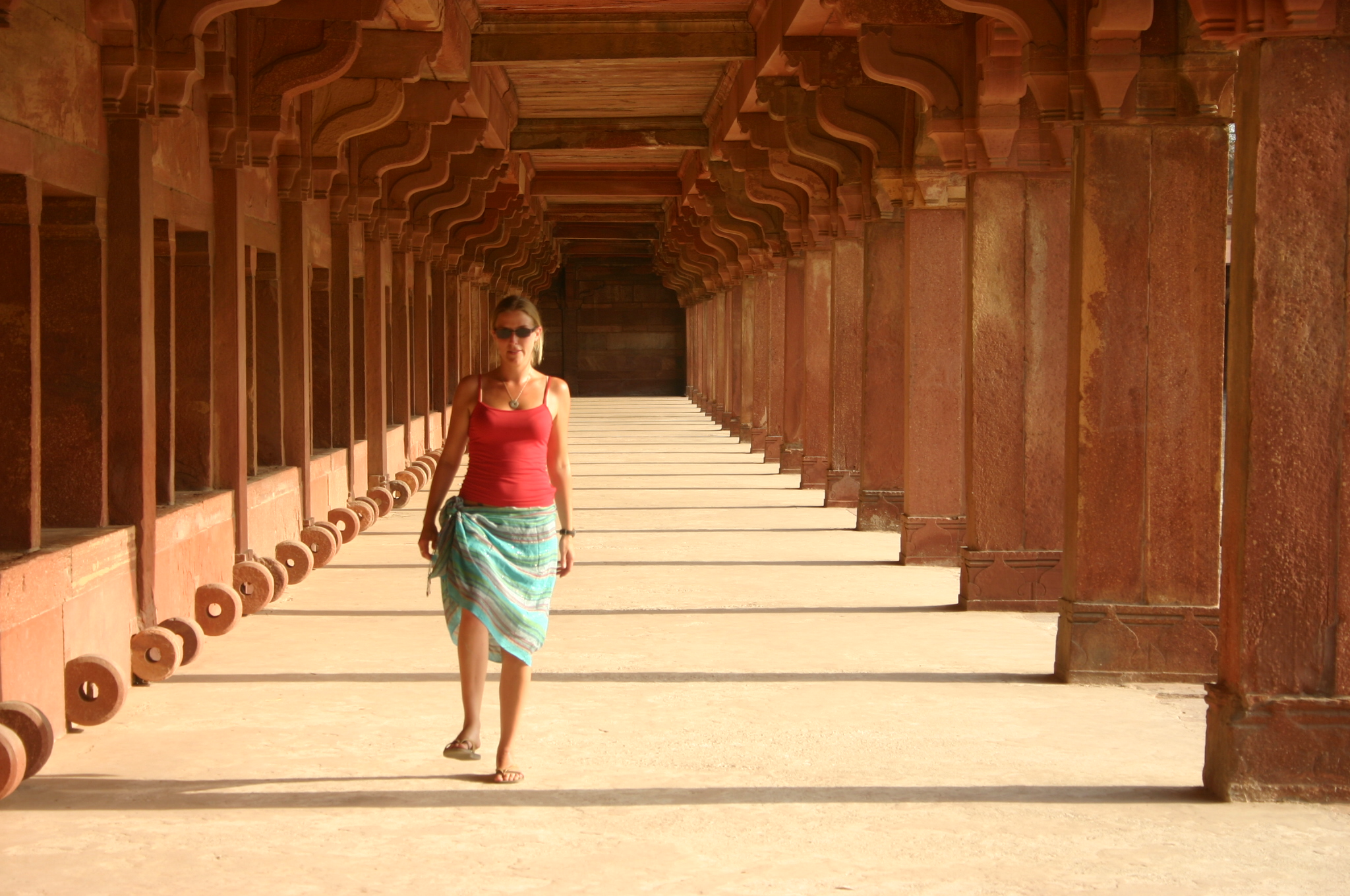
I love this picture that my friend took when we were in Agra in India. We were trying to make the shadows look like steps, and if the very slight shadow that I’m casting wasn’t there we would almost have achieved it. It makes me think of the importance of being creative and not letting that creativity be stifled – by anything or anyone.